810nm + 1064nm Transcranial Photobiomodulation
Brain Wellness Device
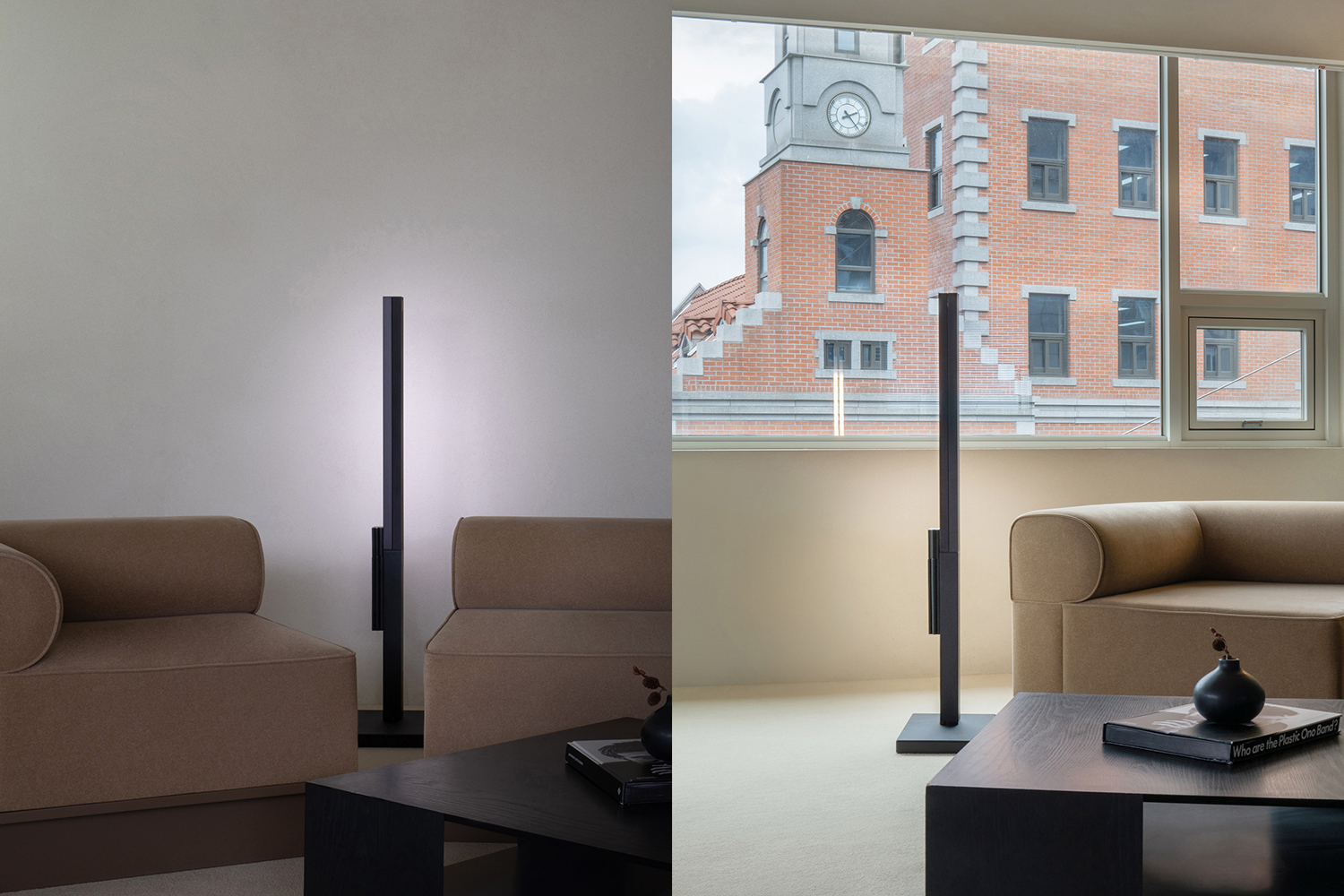
Home-use brain wellness device powered by HS FRAME™ all-in-one optical semiconductor.
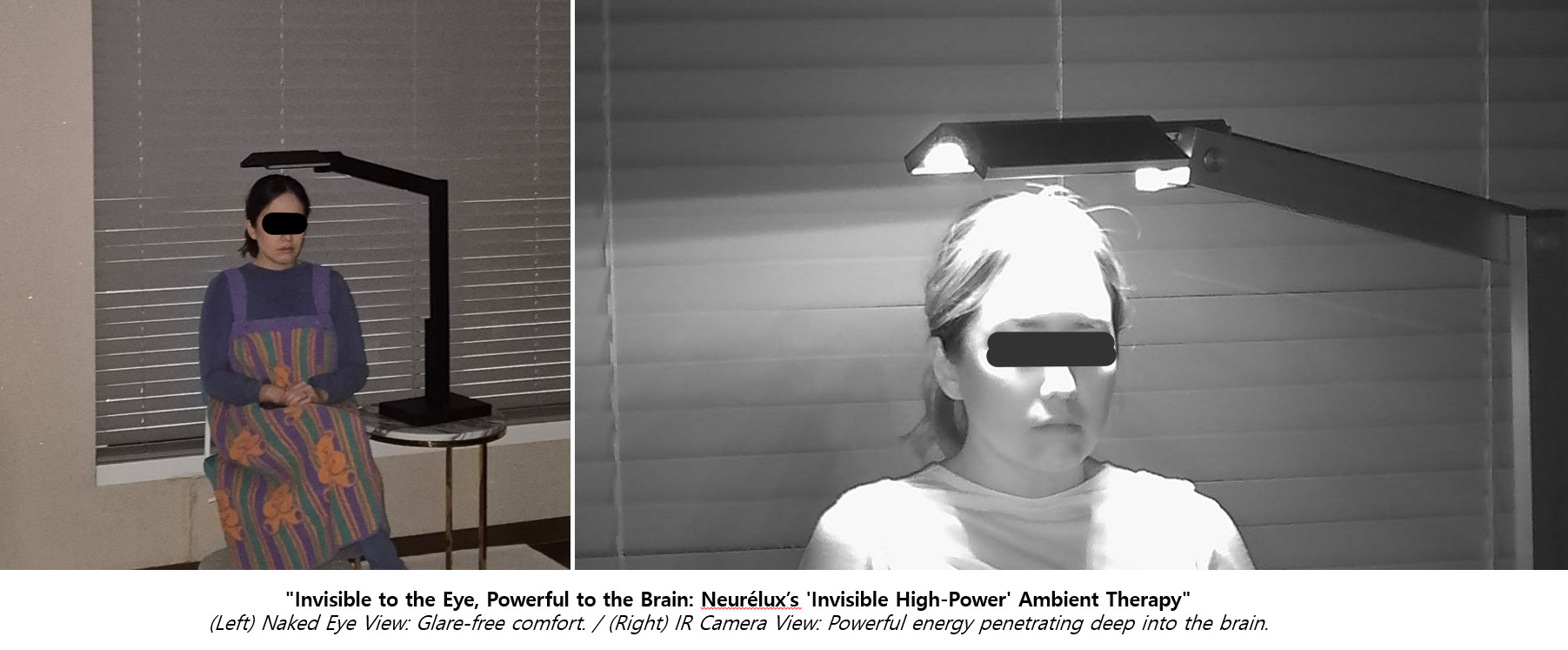
Non-contact. Silent. Science-backed.
Four steps from photon to brain wellness
810nm & 1064nm near-infrared light penetrates the skull and reaches brain tissue through non-invasive transcranial delivery.
Cytochrome c oxidase (CCO) in neuronal mitochondria absorbs the near-infrared photons, initiating a photochemical cascade.
Mitochondrial energy production (ATP synthesis) is supported, potentially enhancing cellular metabolism and neural function.
Ongoing research explores cognitive conditioning, neural connectivity, and long-term brain wellness outcomes.
A wavelength combination not widely adopted in other home tPBM devices
Key absorption band for cytochrome c oxidase (CCO). Well-established in transcranial PBM research for cortical stimulation and neural activation.
Exploratory research ongoing. 1064nm demonstrates deeper tissue penetration potential, targeting structures beyond the cortical surface.
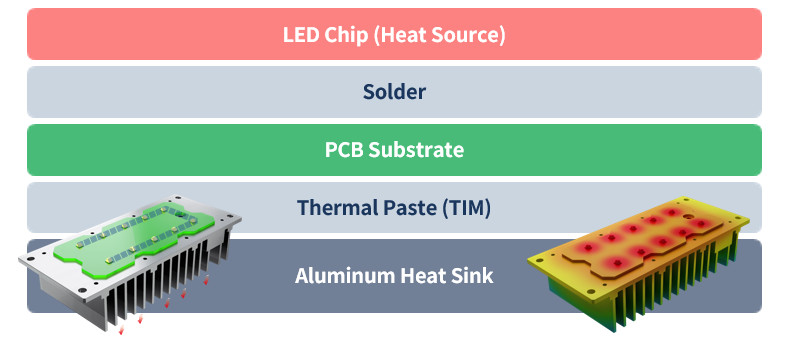
The core platform innovation that makes stable, medical-grade high-power tPBM possible
* Based on internal testing vs. conventional 65 K/W design. Junction temperature reduction and lifespan data derived from thermal simulation and internal lab testing. No Wavelength Droop confirmed under continuous operation.
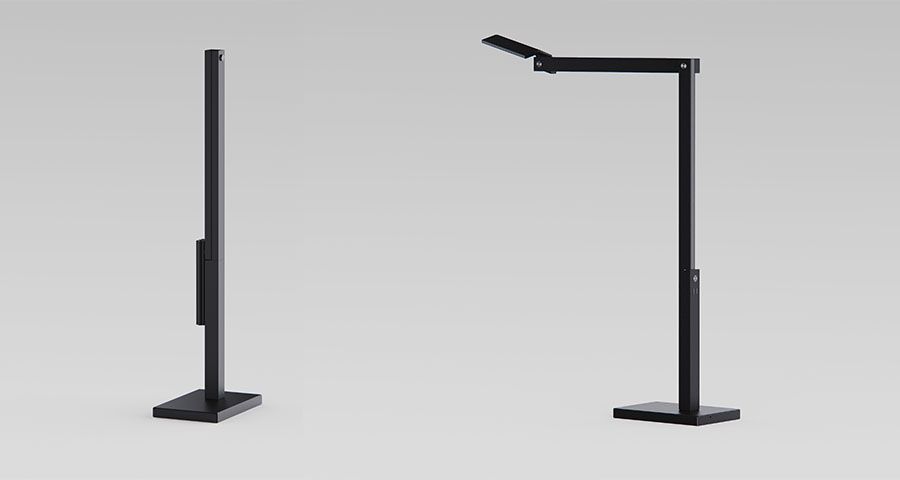
Two configurations for every brain wellness need
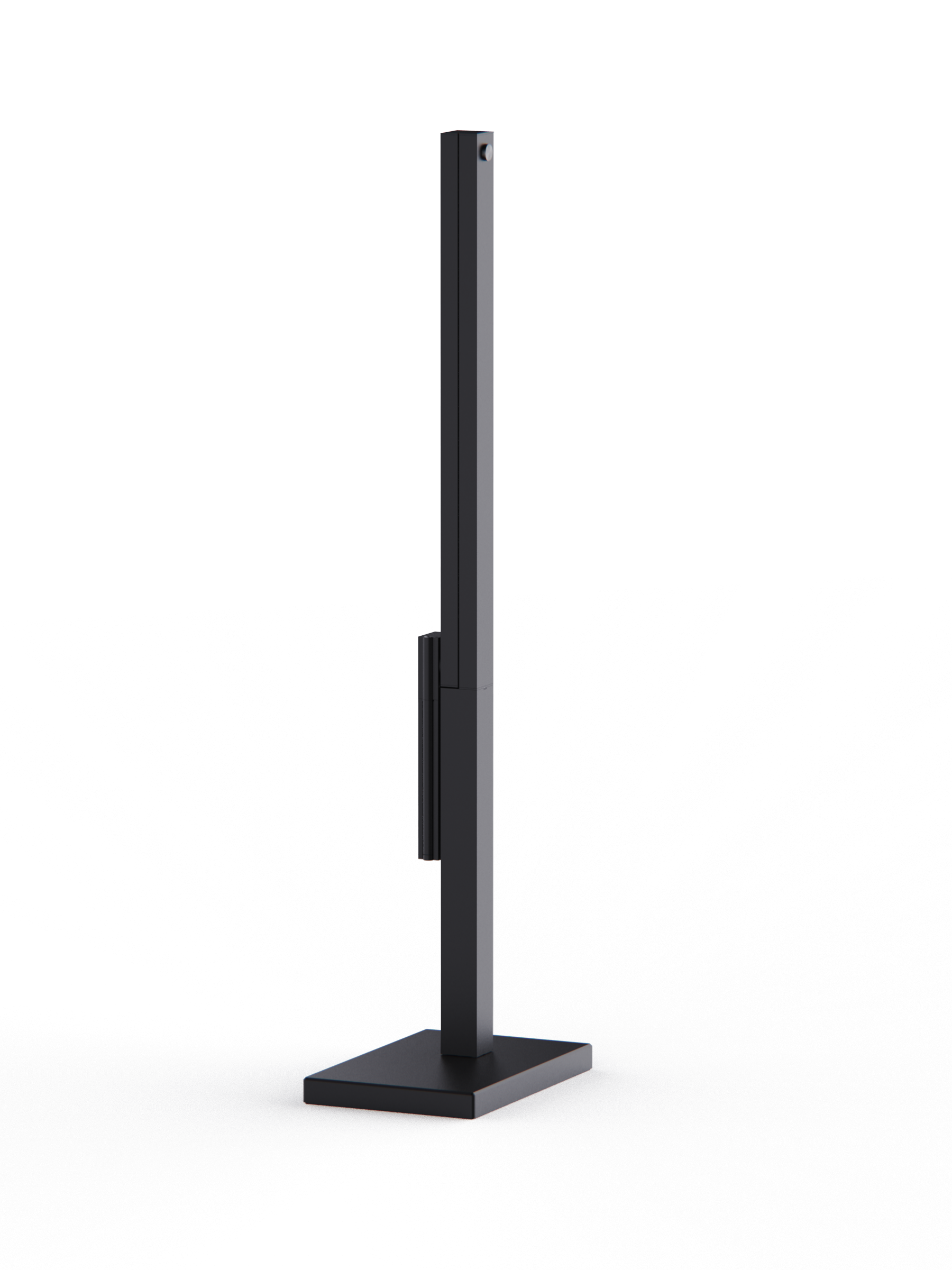
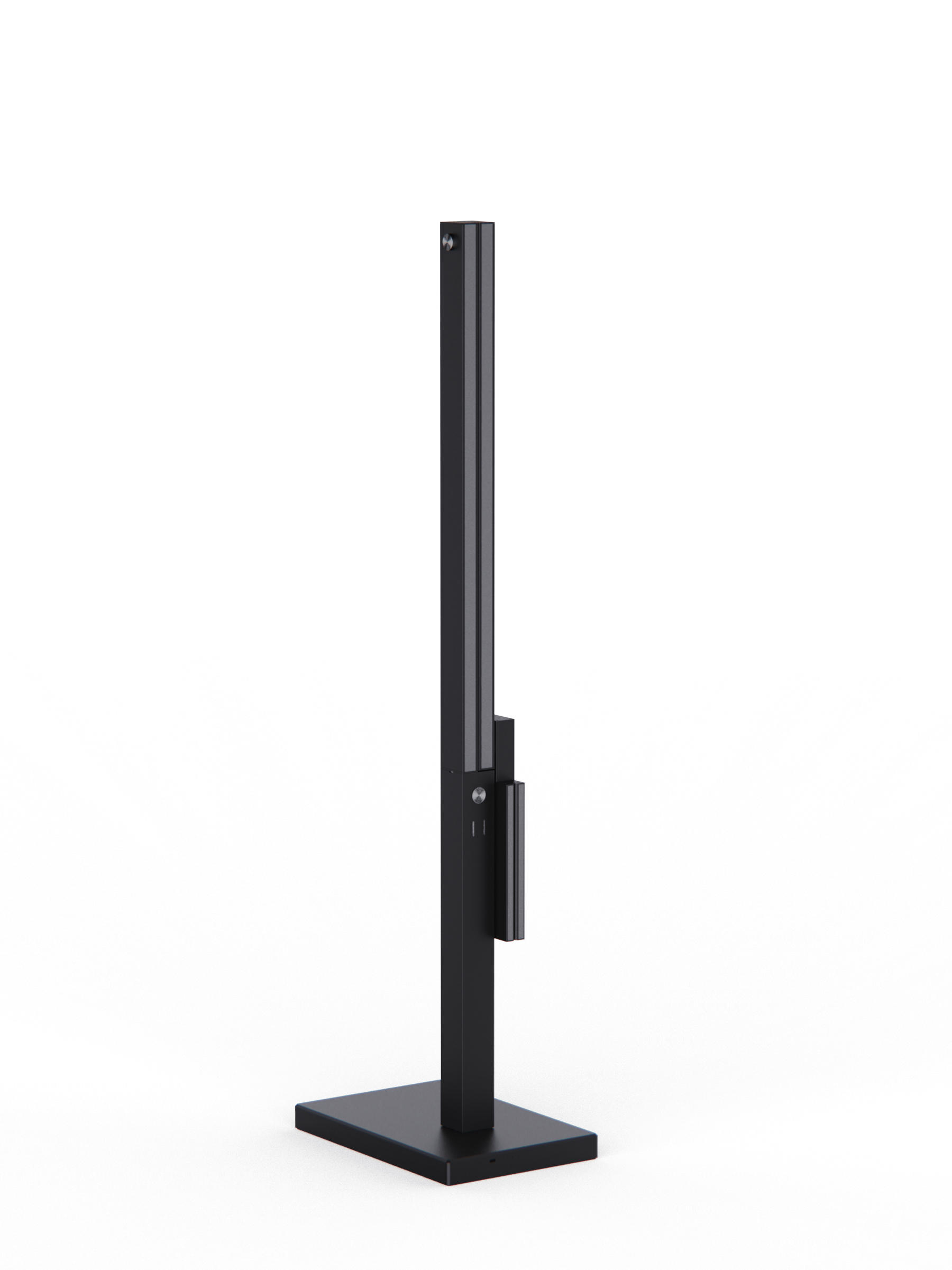
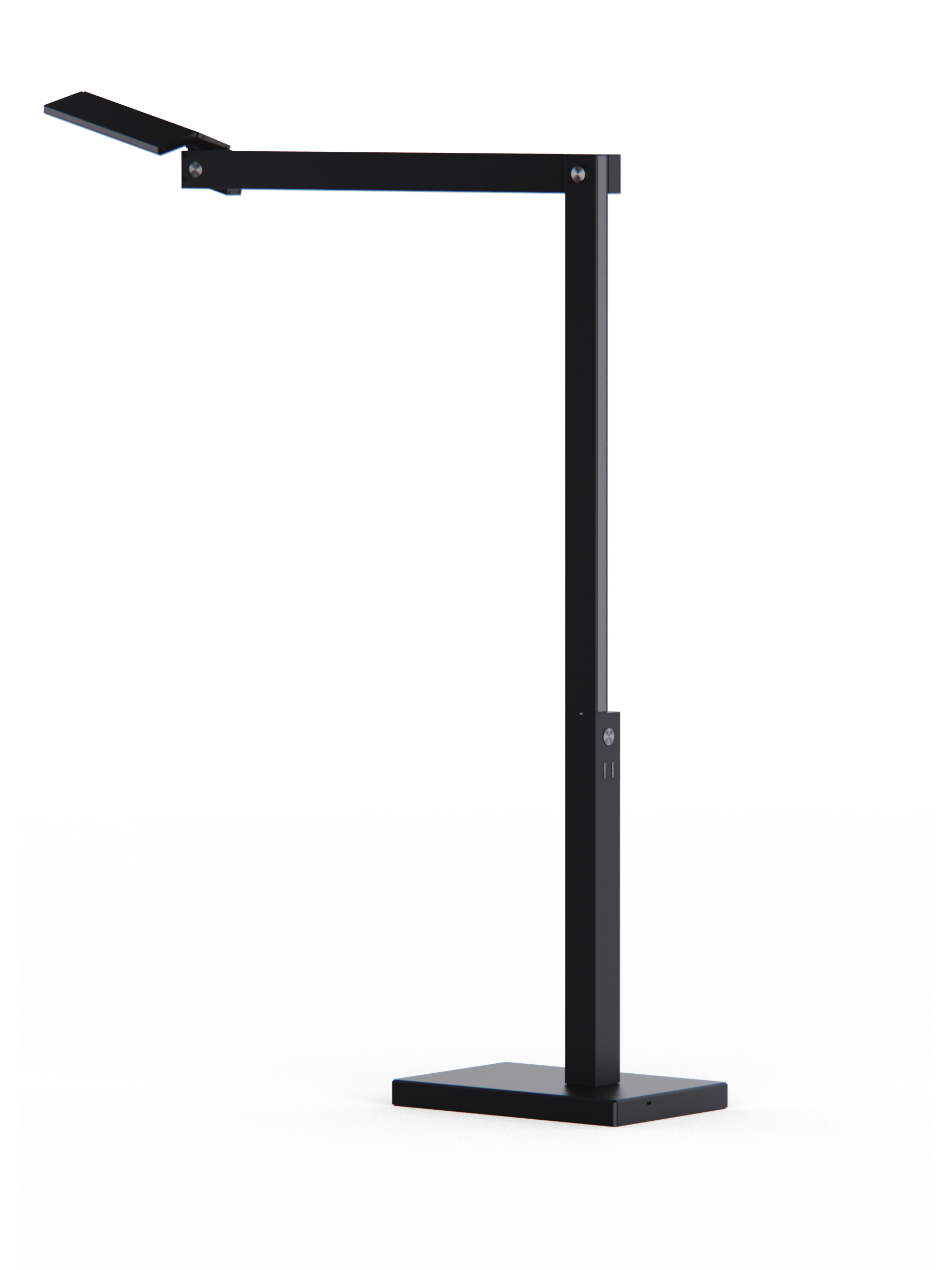
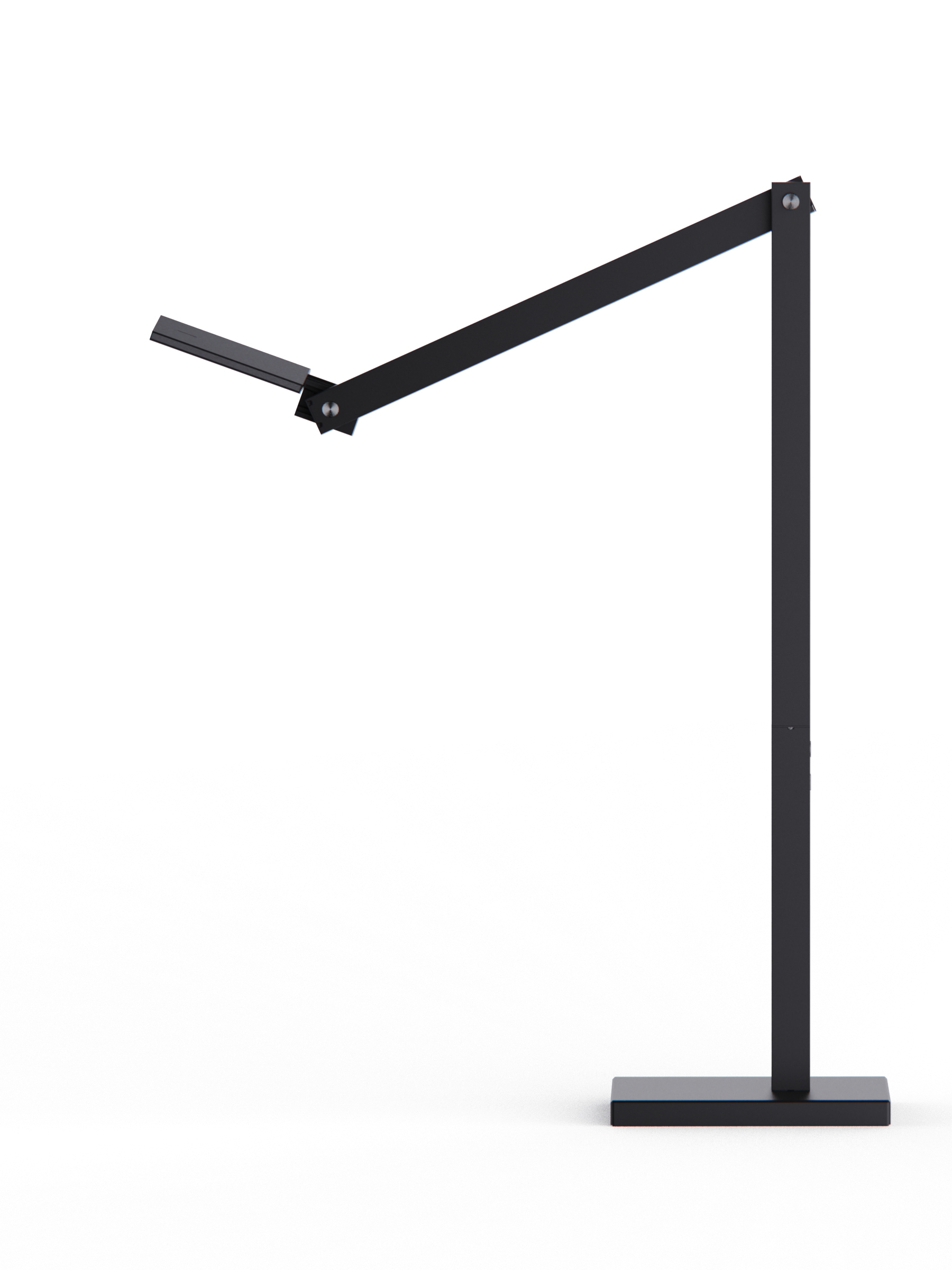
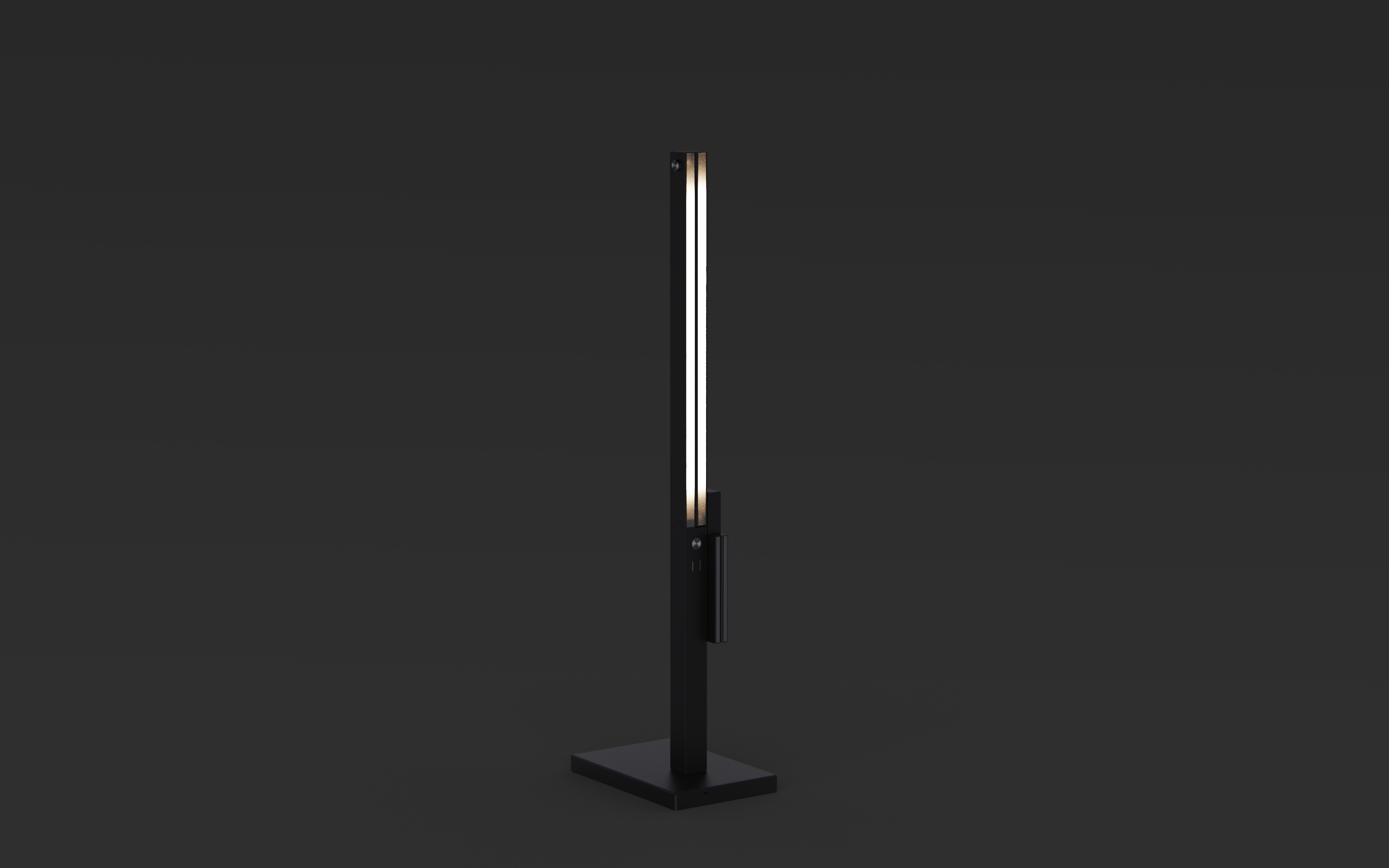
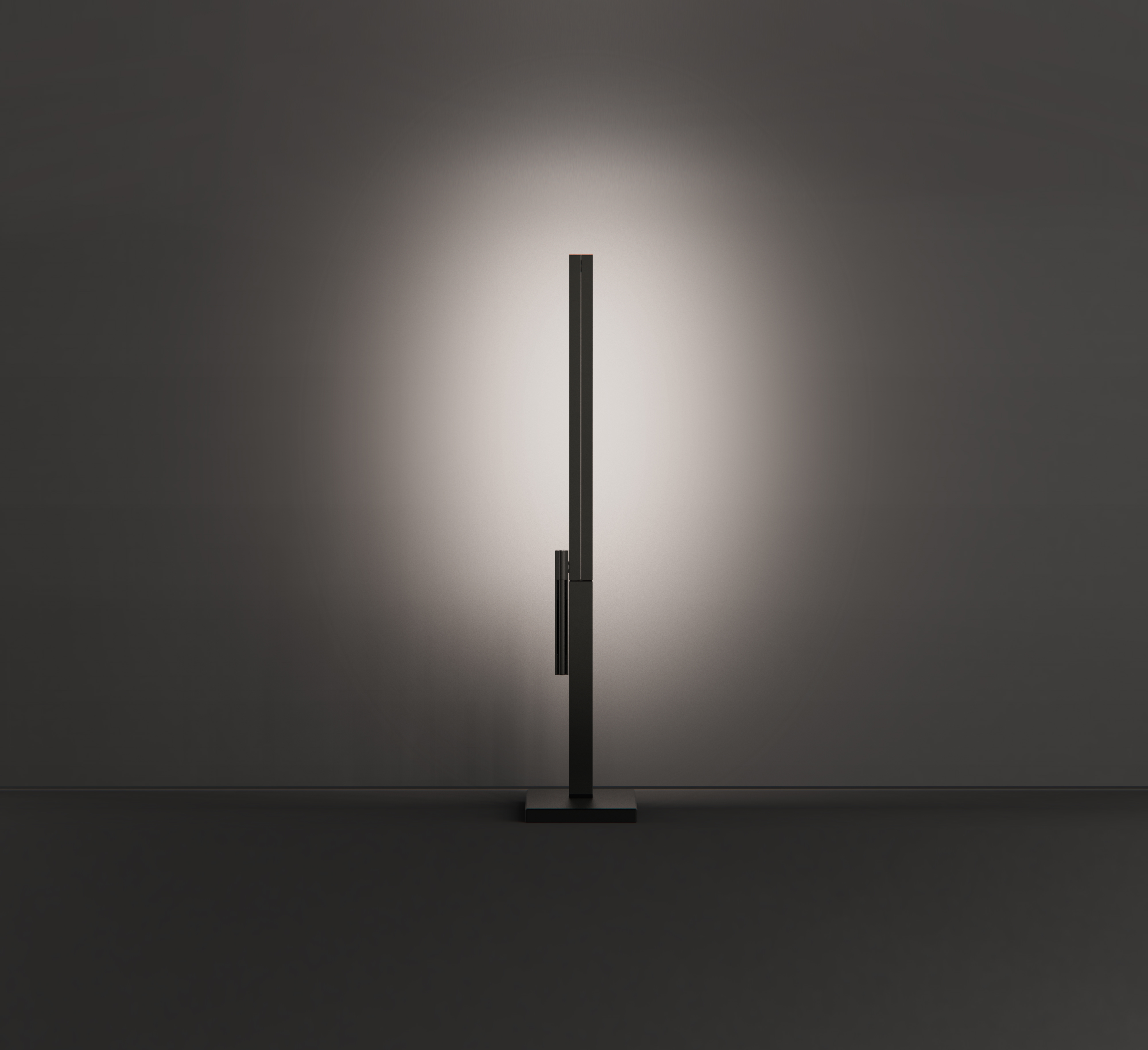
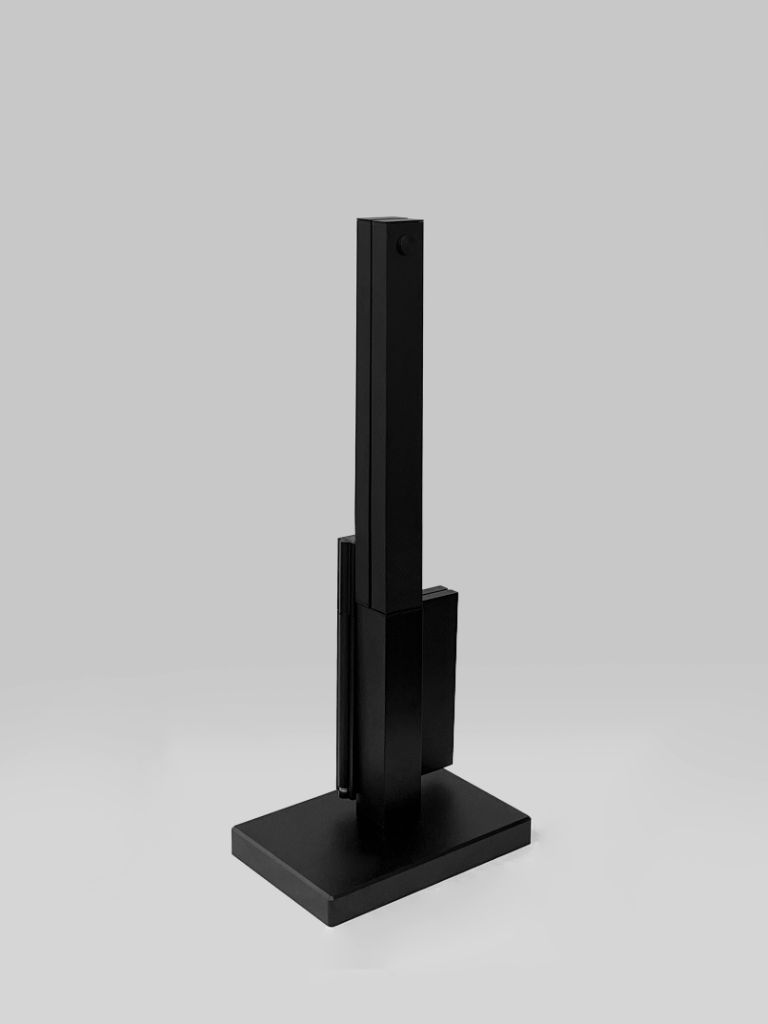
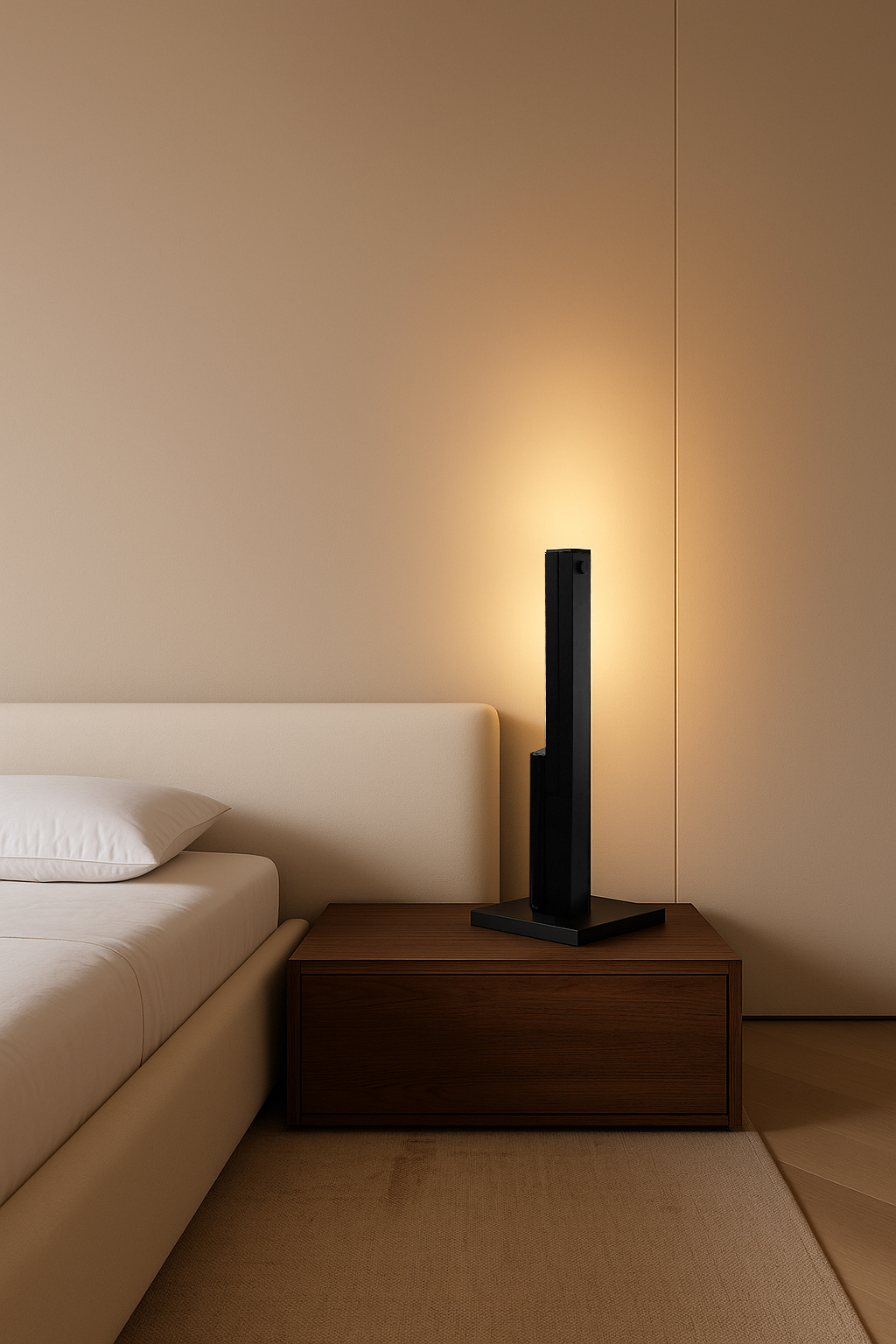
A precision photobiomodulation desk device designed for daily brain wellness sessions. Compact form factor, silent operation — fits seamlessly into any home or office setup.
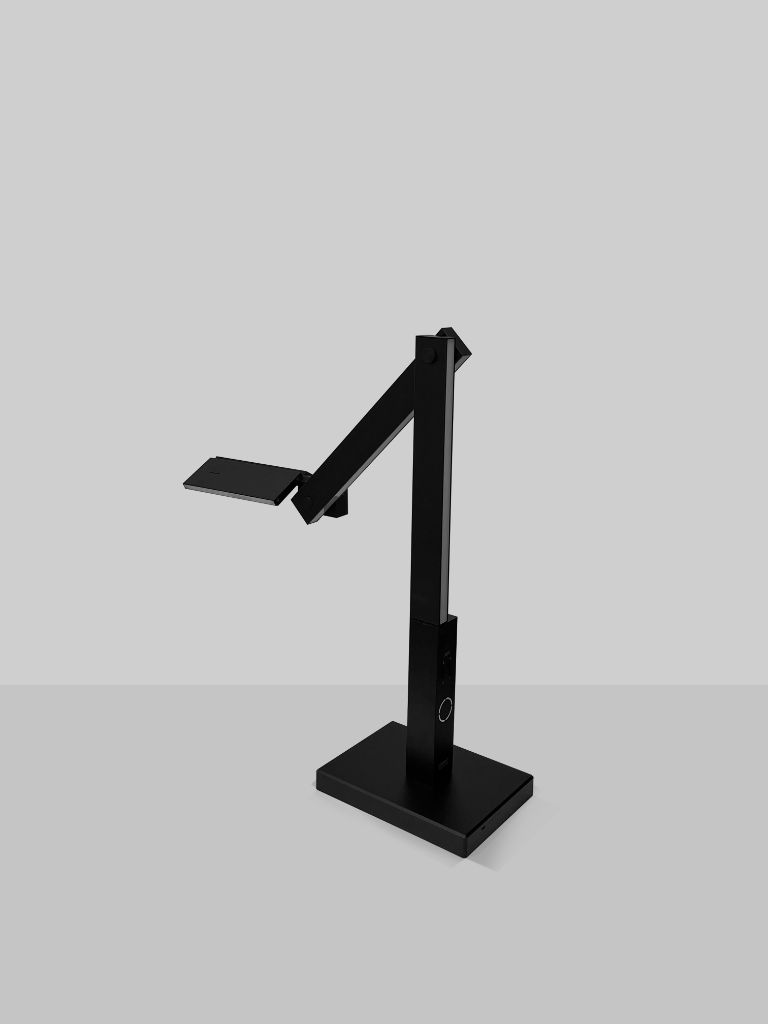
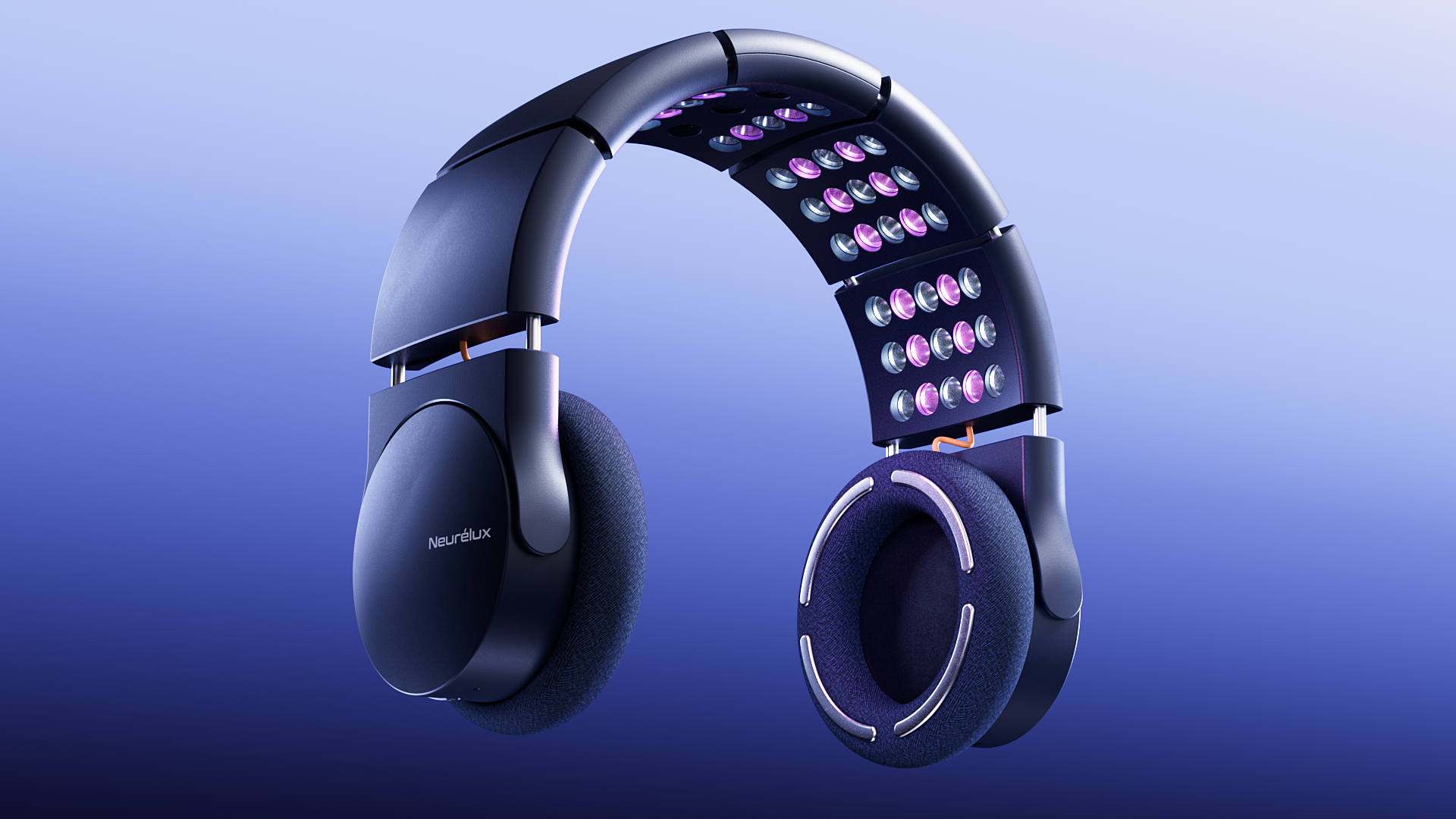
The flagship full-transcranial tPBM device. Engineered for comprehensive brain wellness — from prefrontal cortex to deep cerebellar structures. Adjustable arm for precise positioning.
* Pricing and availability to be announced. Specifications subject to change prior to commercial launch.
From exploratory pilot to confirmatory clinical evidence
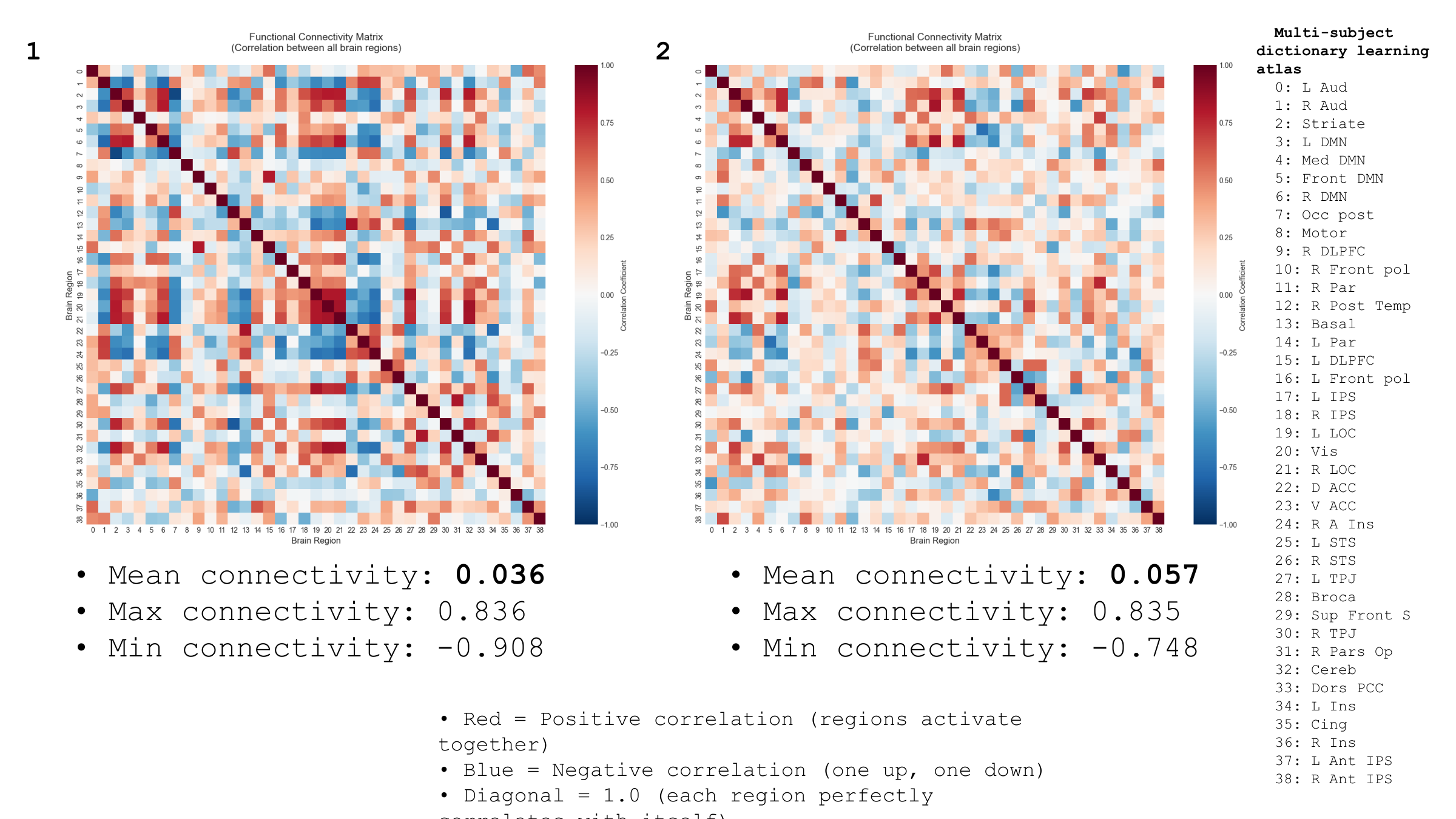
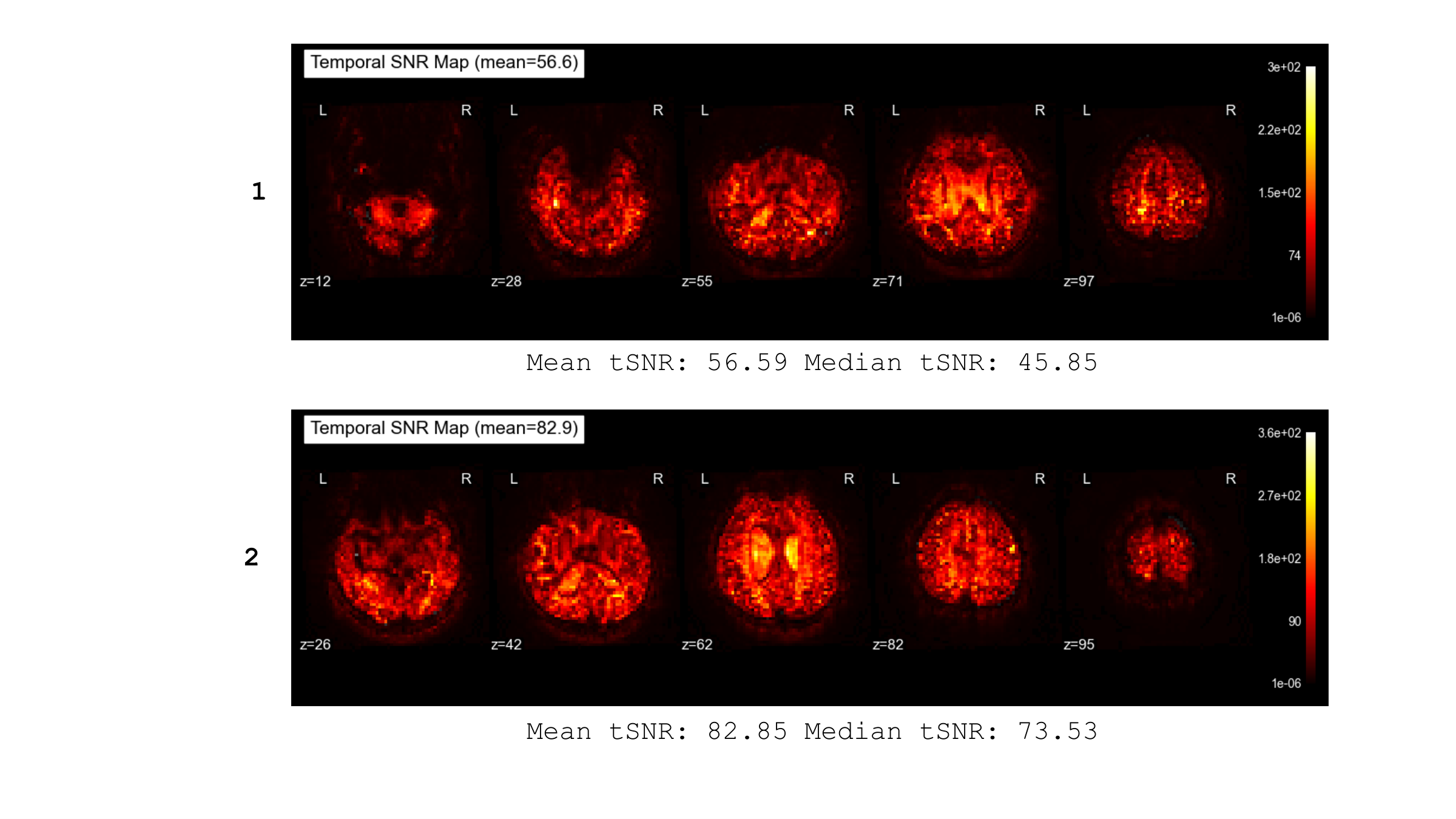
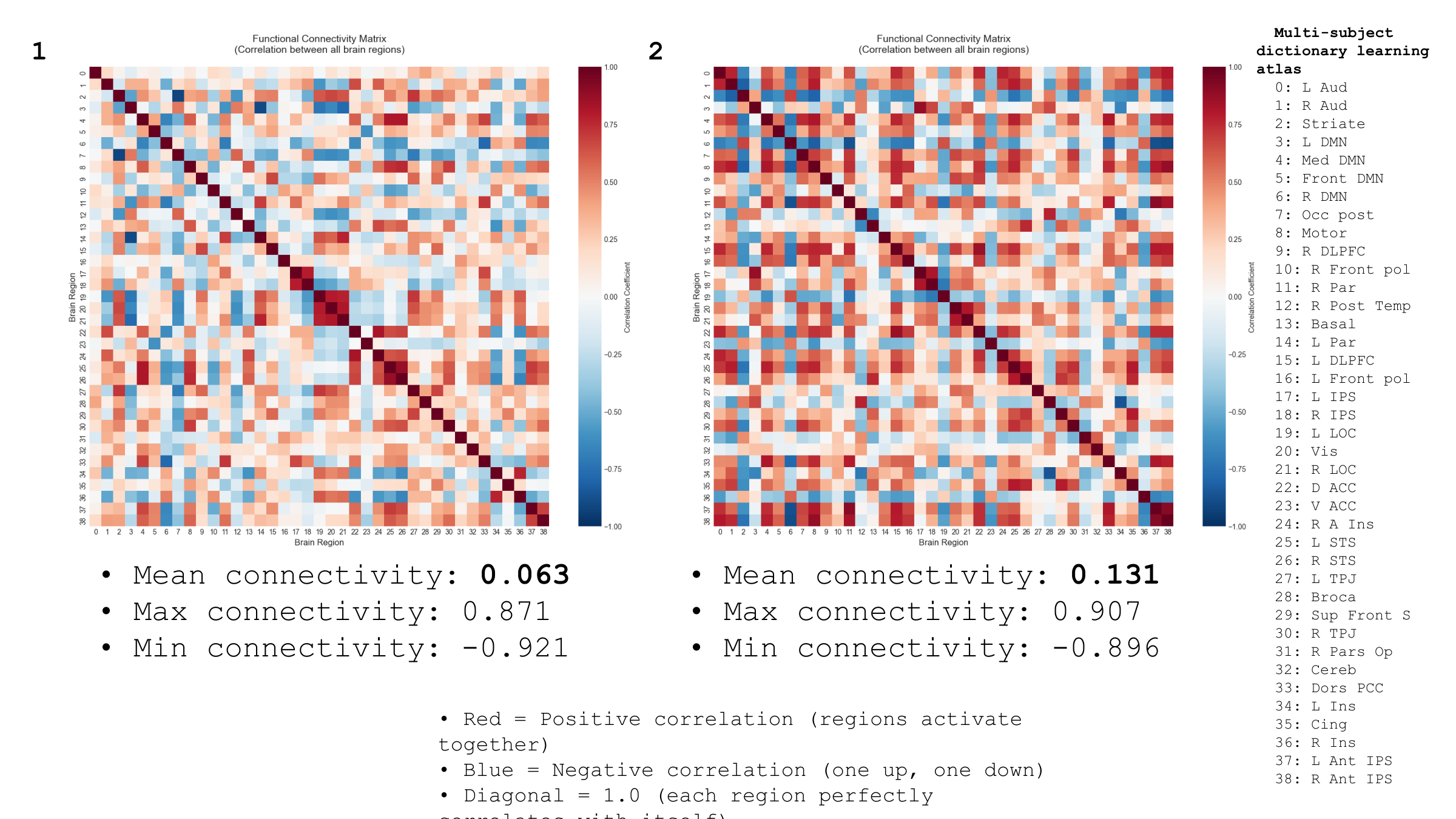
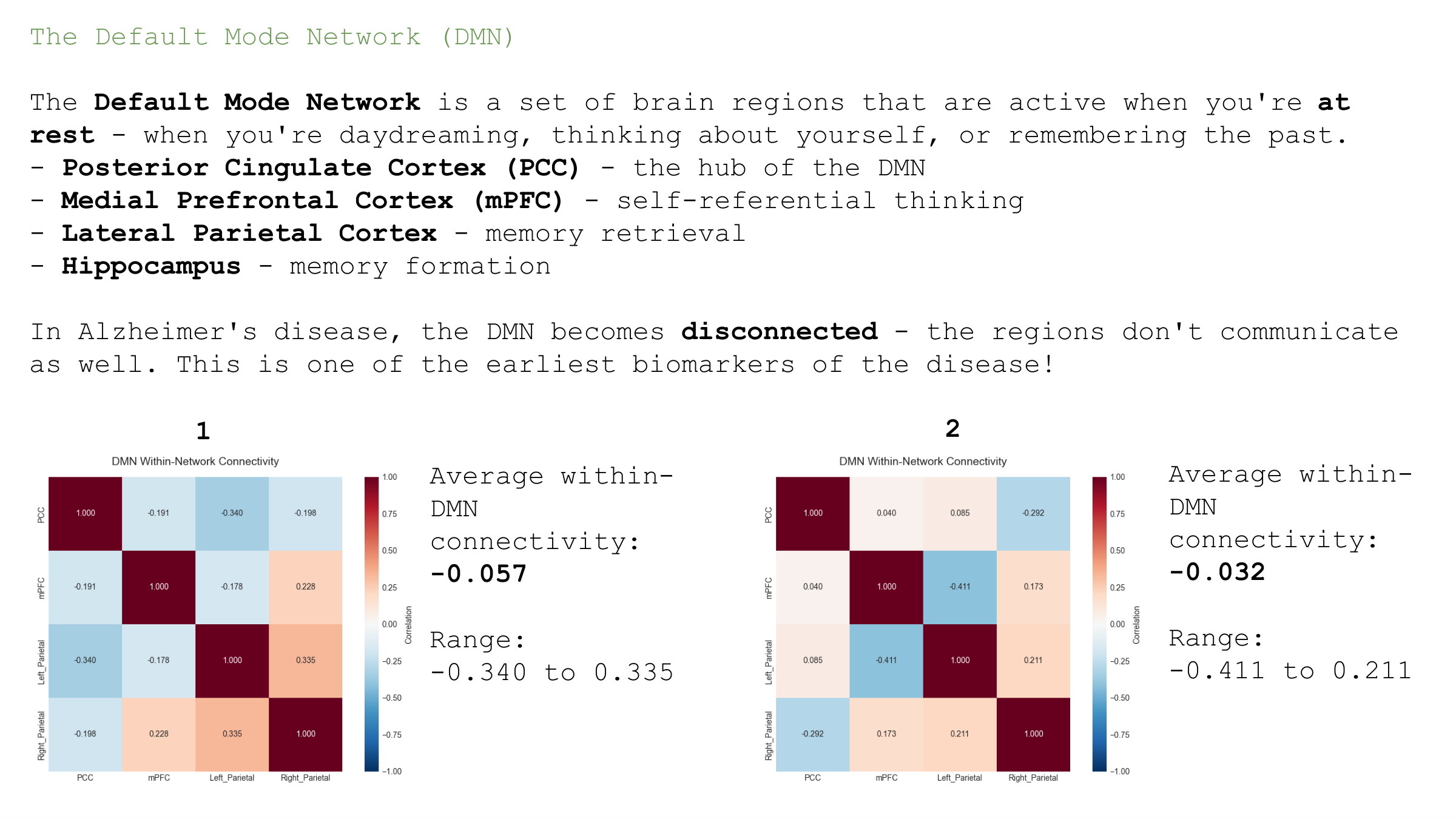
6-week exploratory pilot study collaboratively measured with the Korea Basic Science Institute and Gachon University College of Medicine. Observed volumetric changes in hippocampal and cerebellar regions.
Collaboration with M-Tech Lab. MRI + AI-based brain analysis methodology. SCI(E) journal paper in preparation for peer-reviewed publication.
Full-scale randomized controlled trial (RCT) planned for 2027. Target: regulatory approval pathway and peer-reviewed clinical evidence.
Key questions about Neurélux answered
Product launch alerts, clinical collaboration, distribution partnership inquiries welcome.
Contact Us